
The Rise of Outdoor Experiential Design

As audiences continue prioritizing connection, flexibility, and immersive experiences, outdoor events are taking center stage across the experiential industry. From luxury weddings and social celebrations to music festivals, hospitality events, and large-scale brand activations, open-air environments are becoming some of the most dynamic spaces for experiential design.
What was once considered a secondary event option has evolved into a creative opportunity.
Today’s outdoor events are no longer limited to basic tents, standard seating layouts, or traditional gathering formats. They are fully designed environments that blend hospitality, storytelling, atmosphere, and interaction into memorable experiences that feel elevated and intentional.
For event professionals, brands, and hosts alike, outdoor experiential design offers something audiences increasingly value: the ability to feel immersed, connected, and engaged within a space that feels both expansive and personal.
As summer event season begins, outdoor experiences continue shaping the future of experiential design in powerful ways.

Why Outdoor Events Continue to Grow
The popularity of outdoor events has steadily increased over the past several years, but the shift goes beyond seasonal preference.
Outdoor environments naturally create a different kind of energy.
Open-air venues encourage movement, conversation, exploration, and interaction in ways traditional indoor spaces often cannot. Guests feel less confined, programming feels more fluid, and the overall atmosphere becomes more relaxed while still maintaining a high level of sophistication.
For many audiences, outdoor experiences also feel more memorable because they engage the environment itself as part of the event.
Natural light, fresh air, scenic surroundings, sunset transitions, landscape integration, and expansive layouts all contribute to how guests emotionally experience the space.
This flexibility makes outdoor venues especially appealing for:
Weddings and social celebrations
Brand activations
Festivals and live entertainment
Corporate hospitality events
Product launches
Networking experiences
Luxury dining experiences
Wellness and lifestyle events
Outdoor experiential design allows every event category to feel more immersive, layered, and visually impactful.
Outdoor Event Design Turns Open Spaces Into Creative Canvases
One of the biggest advantages of outdoor experiential design is the creative freedom it offers.
Rather than adapting an experience to a highly structured ballroom or convention layout, designers can shape environments more organically around the event vision itself.
Patios, rooftops, courtyards, pool decks, private estates, festival grounds, and open-air hospitality venues are increasingly being transformed into fully immersive environments tailored to the audience experience.
At Blueprint Studios, outdoor environments often become blank canvases for storytelling and experiential design.
A rooftop can become an elevated hospitality lounge with layered seating, custom bars, ambient lighting, and immersive entertainment. A private estate can transform into a luxury wedding environment filled with custom scenic moments, architectural structures, and curated guest experiences. A festival-inspired activation can combine interactive installations, branded environments, and flexible gathering spaces that encourage engagement throughout the day.
The venue itself becomes part of the story.
This level of transformation is what separates modern experiential events from traditional event production.

Designing for Atmosphere and Experience
Successful outdoor events are not just visually appealing. They are intentionally designed to shape how guests feel throughout the experience.
Experiential design focuses on creating emotional engagement through the environment itself. In outdoor settings, that means carefully balancing aesthetics, comfort, functionality, and flow.
Every design element contributes to the guest experience, including:
Furniture layouts
Lighting treatments
Shade structures
Scenic fabrication
Textural layering
Branded moments
Entertainment integration
Food and beverage presentation
Guest circulation and movement
Outdoor environments require thoughtful design because guests interact with the space differently than they do indoors.
People naturally move more freely outdoors. They gather in unexpected ways, linger longer in lounge areas, and engage with multiple focal points throughout the venue. This creates opportunities for more dynamic event layouts and layered experiential moments.
Comfort also plays a major role.
Luxury outdoor experiences increasingly prioritize hospitality-forward design with plush seating, shaded lounges, flexible gathering spaces, and intentional transitions between daytime and evening programming.
The result is an environment that feels immersive while still remaining approachable and comfortable.
The Rise of Festival-Inspired Layouts
Festival culture continues influencing experiential design across nearly every category of live events.
Even corporate events and luxury gatherings are embracing more relaxed, socially driven layouts inspired by festivals and hospitality environments.
Rather than formal seating arrangements and rigid programming structures, many outdoor events now incorporate:
Open lounge environments
Flexible seating clusters
Layered entertainment zones
Interactive installations
Social gathering areas
Experiential food and beverage activations
Multi-use programming spaces
These layouts encourage exploration and interaction while creating a more personalized guest experience.
Audiences increasingly want the freedom to engage with events on their own terms. Festival-inspired outdoor environments support that behavior by making experiences feel more fluid and less transactional.
This approach is especially effective for brand activations and hospitality events where audience engagement and dwell time are key priorities.
Outdoor Brand Activations Are Becoming More Immersive
Brands are also recognizing the value of outdoor experiential environments as a powerful marketing and engagement tool.
Outdoor spaces allow brands to create larger-scale moments that feel interactive, shareable, and visually impactful.
Unlike traditional indoor venues, outdoor environments often provide greater flexibility for:
Large scenic installations
Interactive activations
Custom fabrication
Experiential hospitality spaces
Mobile engagement zones
Live entertainment
Oversized branding moments
These activations help brands create emotional connection while encouraging social sharing and audience participation.
Immersive outdoor experiences naturally generate content opportunities because guests are more inclined to document environments that feel visually unique or unexpected.
However, the strongest outdoor activations go beyond aesthetics alone.
The most successful experiences combine strategic storytelling with thoughtful environmental design to create authentic audience engagement.
When every touchpoint feels intentional, the brand experience becomes more memorable and impactful.
Lighting Is Transforming Outdoor Events
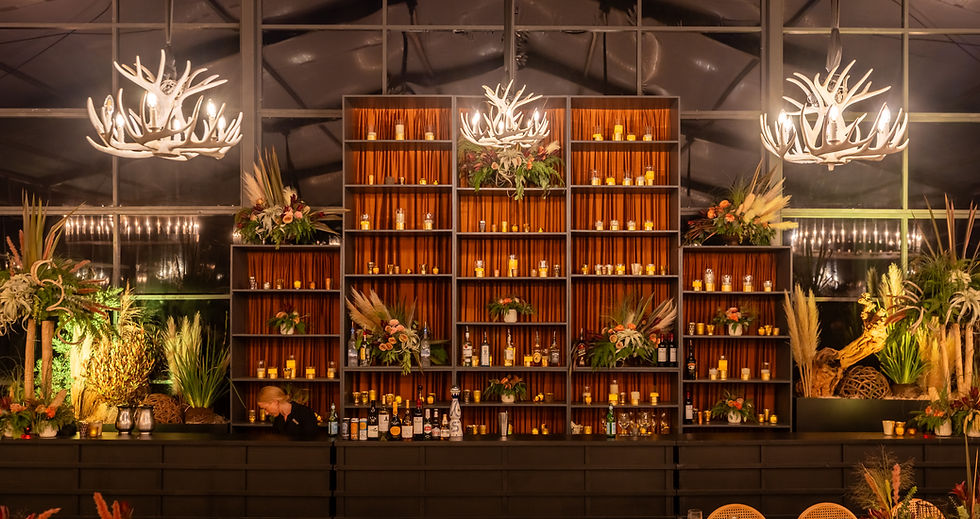
Lighting remains one of the most important elements in outdoor experiential design.
Because outdoor environments evolve throughout the day, lighting helps shape the atmosphere and transition the guest experience from daytime to evening.
Layered lighting strategies can dramatically transform outdoor spaces through:
Ambient pathway lighting
Architectural uplighting
String lighting installations
Projection mapping
Color washes
Statement lighting structures
Integrated scenic lighting
LED environments
Lighting not only improves functionality, but also creates emotional tone.
Warm lighting can make outdoor lounges feel intimate and welcoming, while dynamic color treatments and immersive lighting effects can energize festival environments and branded activations.
As experiential events continue extending later into the evening, lighting has become essential for maintaining atmosphere and visual consistency throughout the event lifecycle.
Blending Hospitality With Experiential Design
One of the defining trends in modern outdoor events is the blending of hospitality and experiential design.
Today’s audiences expect more than visual impact. They expect environments that feel curated, welcoming, and guest-centered.
This is particularly important for weddings, corporate hospitality events, and luxury brand experiences where comfort and emotional connection are central to the experience.
Hospitality-driven outdoor design often includes:
Layered lounge environments
Elevated dining experiences
Personalized gathering spaces
Flexible social layouts
Wellness-focused amenities
High-touch guest experiences
Seamless indoor-outdoor transitions
These details influence how long guests stay engaged within a space and how positively they remember the experience afterward.
Experiential design is no longer just about aesthetics. It’s about creating environments people genuinely enjoy spending time in.

Flexibility Matters More Than Ever
Outdoor experiential environments also offer a level of adaptability that many indoor venues cannot.
Modern events frequently require spaces that evolve throughout the day or support multiple forms of programming simultaneously.
An outdoor venue may transition between:
Daytime networking
Afternoon activations
Evening dining
Live entertainment
VIP hospitality experiences
Late-night social environments
This requires flexible design systems that can adapt while maintaining a cohesive visual identity.
Modular furniture, movable scenic elements, adaptable lighting, and multi-functional layouts allow event teams to shift the environment efficiently without sacrificing guest experience.
This flexibility is especially valuable for large-scale activations and multi-day events where audience behavior and programming needs continuously evolve.

Social Sharing Continues Driving Outdoor Design
Outdoor experiential environments are inherently visual, which makes them highly effective for social engagement and content creation.
Today’s guests naturally seek out moments worth capturing and sharing online.
This has influenced how designers approach outdoor event environments, leading to more emphasis on:
Statement entry moments
Scenic backdrops
Interactive installations
Branded photo opportunities
Immersive lounges
Architectural focal points
Environmental storytelling
However, authenticity remains critical.
The most successful outdoor experiences do not feel designed solely for social media. Instead, they create genuine emotional engagement first, allowing content capture to happen organically.
When guests feel emotionally connected to the environment, they naturally become advocates for the experience itself.
The Future of Outdoor Experiential Design
As experiential expectations continue evolving, outdoor events will likely remain one of the industry’s most influential design categories.
Audiences increasingly want experiences that feel immersive, flexible, social, and emotionally engaging. Outdoor environments naturally support those expectations while offering nearly endless creative possibilities.
From weddings and social celebrations to festivals, hospitality environments, and large-scale brand activations, outdoor experiential design continues redefining how people gather and connect.
At Blueprint Studios, outdoor events are approached as opportunities to create environments that feel immersive, intentional, and deeply memorable. Through thoughtful design, hospitality-driven experiences, and strategic storytelling, outdoor spaces can become far more than event venues.
They become experiences people remember long after the event ends.
Visit www.blueprintstudios.com and discover how we can bring your vision to life.


Comments